Every general contractor working in South Carolina eventually has to answer the same compliance question: how many portable toilets does a job site actually need, and who enforces that requirement? Construction site portable restroom requirements in SC aren’t just a courtesy for crews, they’re a legal obligation tied to specific worker-count thresholds, and getting them wrong can mean citations, delays, or an unhappy crew standing in line during a lunch break.
This guide breaks down what South Carolina contractors need to know about sanitation compliance on job sites, along with practical logistics for keeping a site compliant, using the same job-site planning approach behind Pinnacle’s construction restroom trailer rentals across the state.
Who Regulates Construction Site Sanitation in South Carolina
South Carolina operates its own OSHA-approved State Plan, administered as SC OSHA under the South Carolina Department of Labor, Licensing and Regulation, rather than falling under direct federal OSHA enforcement for most private-sector employers. SC OSHA has adopted federal OSHA’s construction sanitation standard, 29 CFR 1926.51, essentially unchanged, so the toilet-count requirements and other sanitation rules that apply nationally also apply to job sites across South Carolina. In practice, this means SC OSHA compliance officers, not federal OSHA inspectors, handle most job site sanitation inspections in the state. Contractors working service areas across South Carolina should direct specific compliance questions to SC OSHA rather than assuming federal guidance always applies verbatim, since the state agency handles enforcement.
OSHA Toilet Requirements by Crew Size
The core requirement comes from OSHA’s Table D-1 under 29 CFR 1926.51(c), which sets minimum toilet facility counts based on the number of employees on-site:
| Number of Employees | Minimum Number of Facilities |
| 20 or fewer | 1 toilet facility |
| 20 or more | 1 toilet seat and 1 urinal per 40 workers |
| 200 or more | 1 toilet seat and 1 urinal per 50 workers |
Under temporary field conditions, the standard requires that at least one toilet facility be available at all times, even on smaller or short-duration sites. A unit that’s out of service or in an unsanitary condition doesn’t count toward meeting the minimum, which means a single broken or overflowing unit can put a site out of compliance even if the total unit count looks sufficient on paper.
Other Sanitation Requirements Beyond Toilet Count
Toilet count is the most commonly cited requirement, but it isn’t the only one. A few additional provisions of the sanitation standard affect day-to-day job site compliance.
Handwashing Facilities
OSHA requires handwashing facilities near job site restrooms. When a water supply is available on-site, running water for handwashing is required, hand sanitizer alone isn’t considered sufficient in that case. Where no water supply exists, sanitizer or a comparable cleansing agent is an acceptable substitute. Job sites involving certain work, such as handling portland cement or other materials that require prompt washing, may trigger additional washing-facility requirements near the specific work area.
The Mobile Crew Exemption
The standard’s on-site toilet requirement doesn’t apply to mobile crews if they have reliable transportation to a nearby toilet facility, generally understood as being able to reach it within about 10 minutes. This exemption is narrow and depends on the crew genuinely having that access; it isn’t a general workaround for skipping on-site facilities on a fixed job site.
Keeping Facilities in Sanitary Condition
Providing the minimum number of toilets satisfies only part of the requirement, the units also have to be maintained in a sanitary condition to count. OSHA has pointed to the ANSI/PSAI Z4.3 industry servicing standard as a reasonable benchmark, which generally suggests servicing a unit used by around 10 people at least once a week, with more frequent servicing needed as usage per unit increases.
How Servicing Frequency Affects Compliance
Servicing frequency and unit count are connected in a way that’s easy to overlook: a site technically meeting its minimum toilet count can still fall out of compliance if units aren’t serviced often enough to stay sanitary. Larger crews, longer shifts, and hot weather all increase usage per unit, which can mean scheduling service more than once a week even when the unit count itself satisfies Table D-1. Building a servicing schedule around actual crew size and site conditions, rather than a fixed weekly default, keeps a site compliant as headcount fluctuates through different project phases.
Site Logistics for Job Site Restroom Trailers
Placement and Access
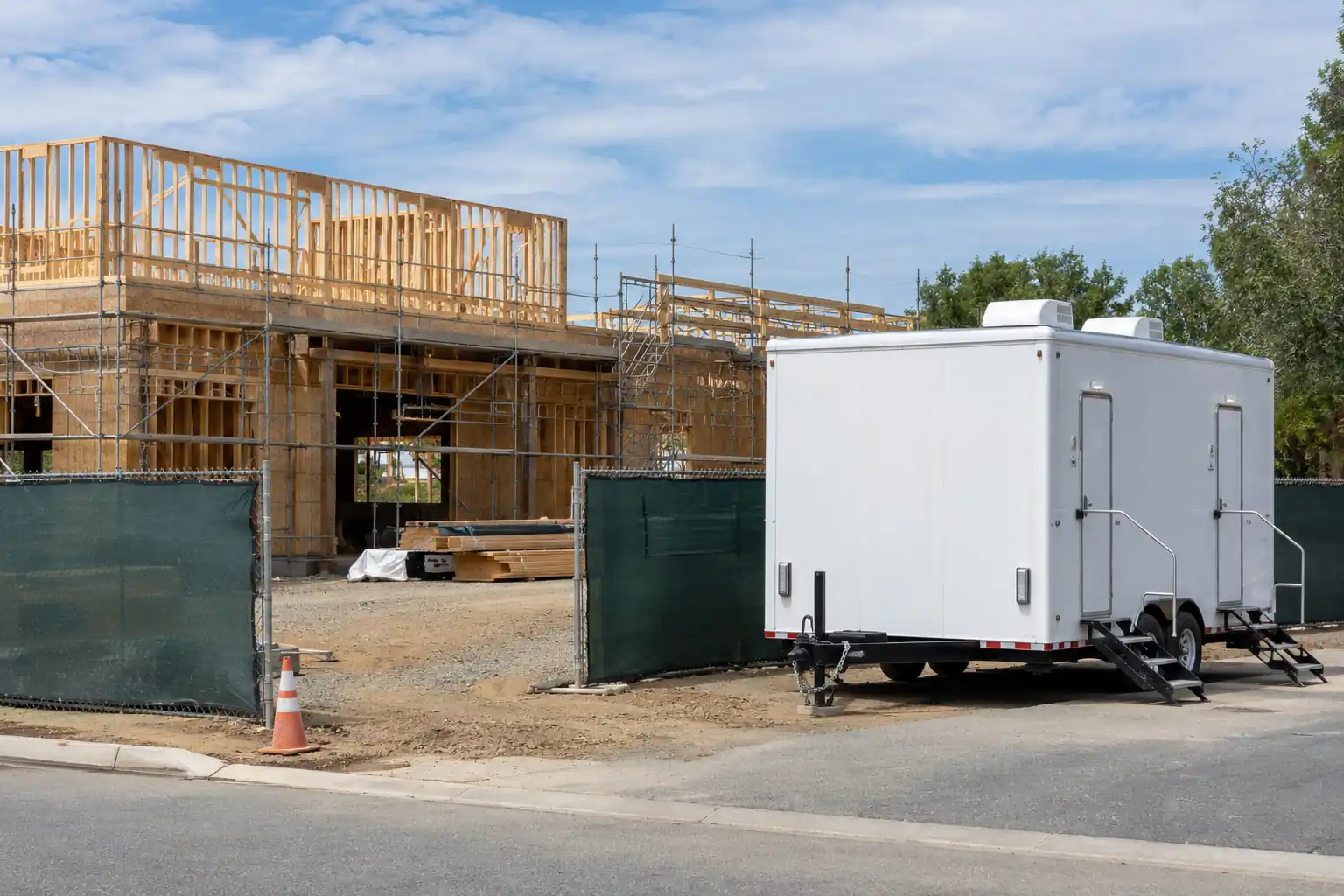
Beyond the regulatory minimum, practical placement matters for a facility to actually get used consistently. Units should sit close enough to active work areas that workers aren’t discouraged from a short break, with a stable, level surface and clear access for delivery and servicing vehicles throughout the project.
Power and Water for Long-Term Projects
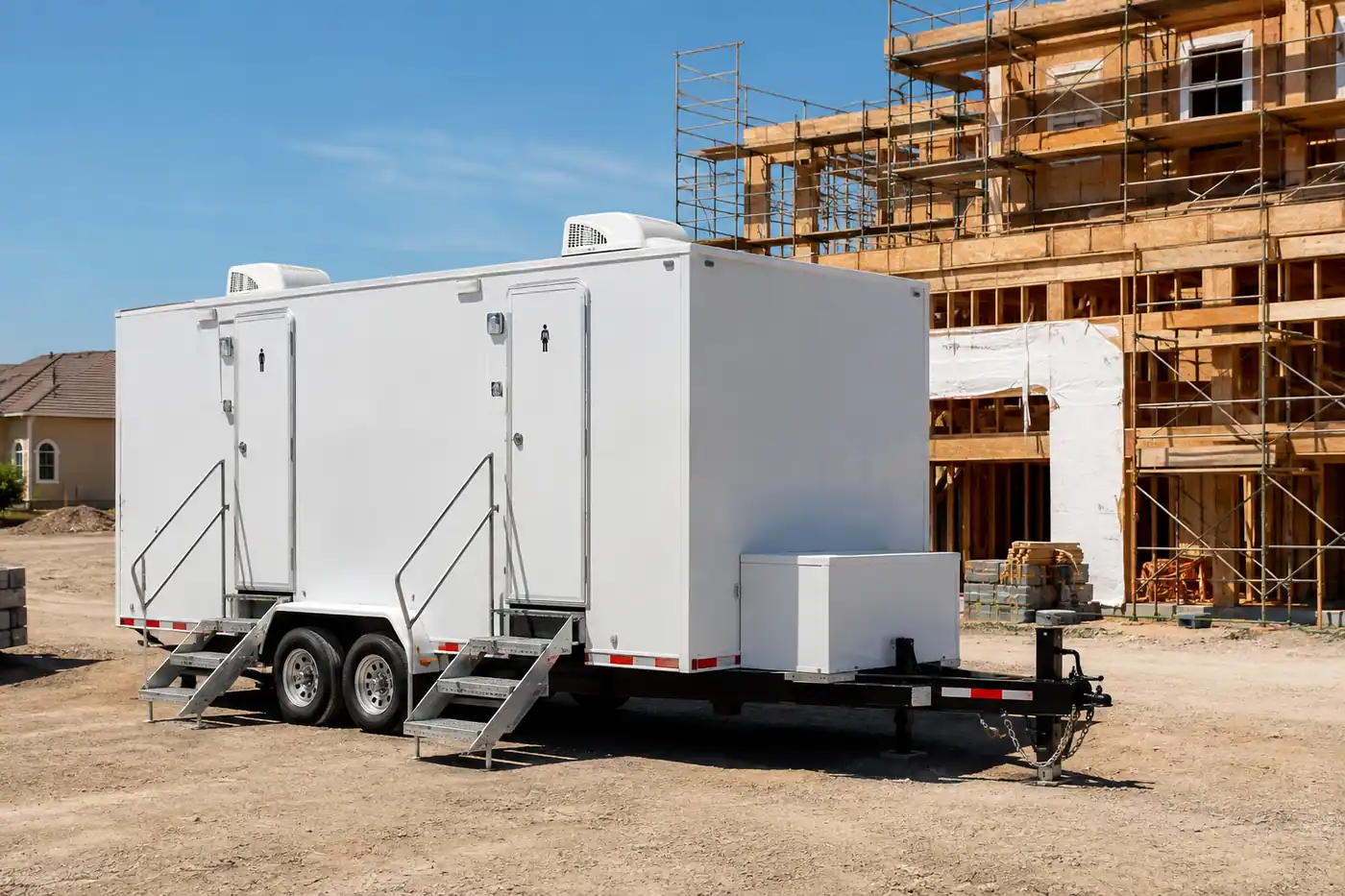
Longer projects, especially those extending through a South Carolina summer, benefit from restroom trailers with climate control, which requires a stable power source. Sites with existing power access can connect directly; sites without it can rely on generator rental to keep climate control and water systems running for the duration of the project. For more on how heat affects job site restroom planning specifically, see Pinnacle’s restroom trailer hot weather guide.
Choosing Between Standard Porta Potties and Restroom Trailers for Job Sites
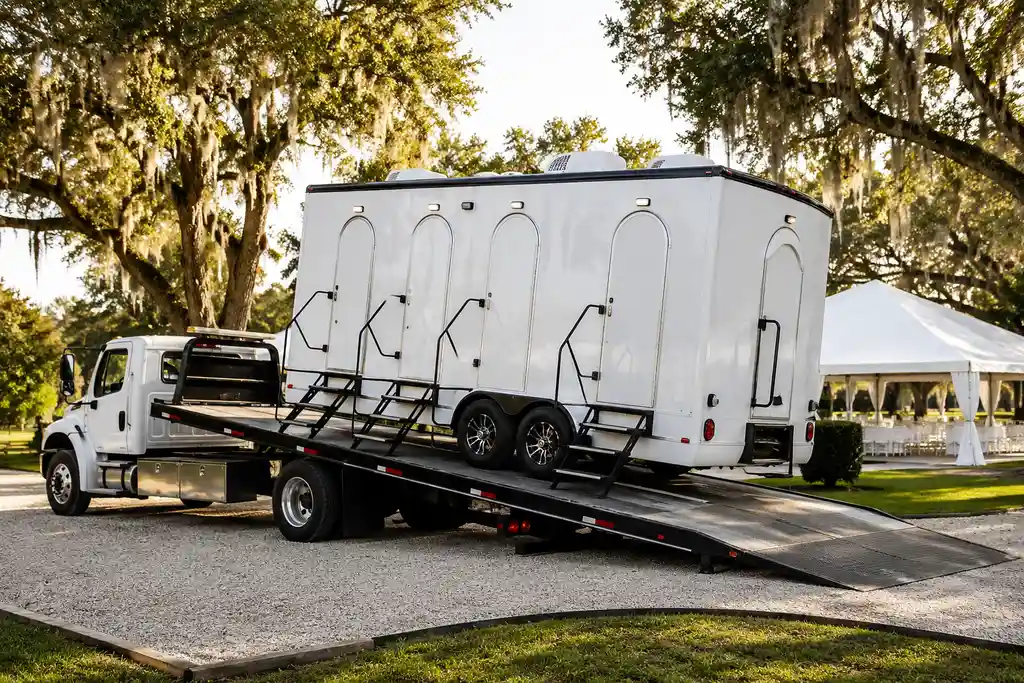
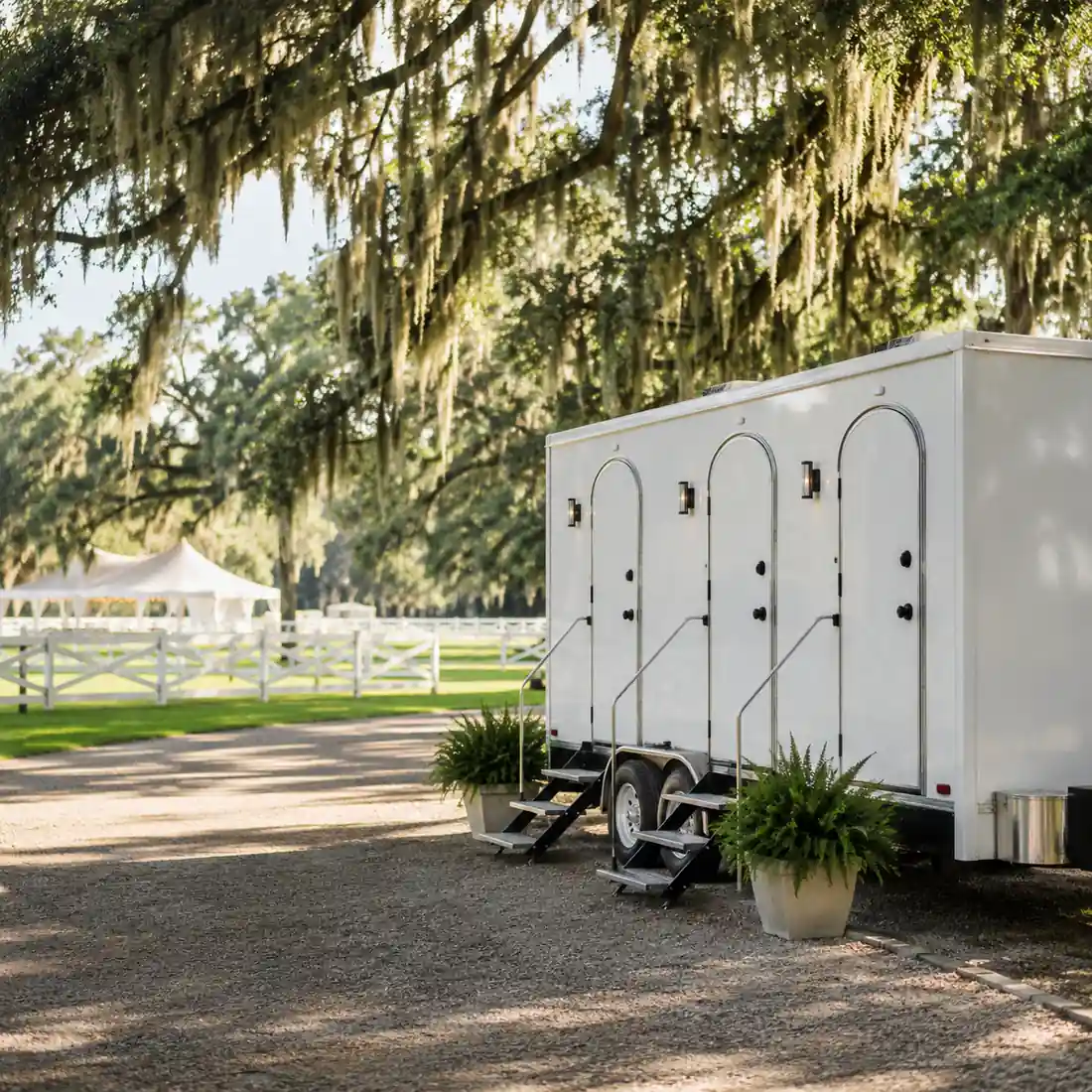
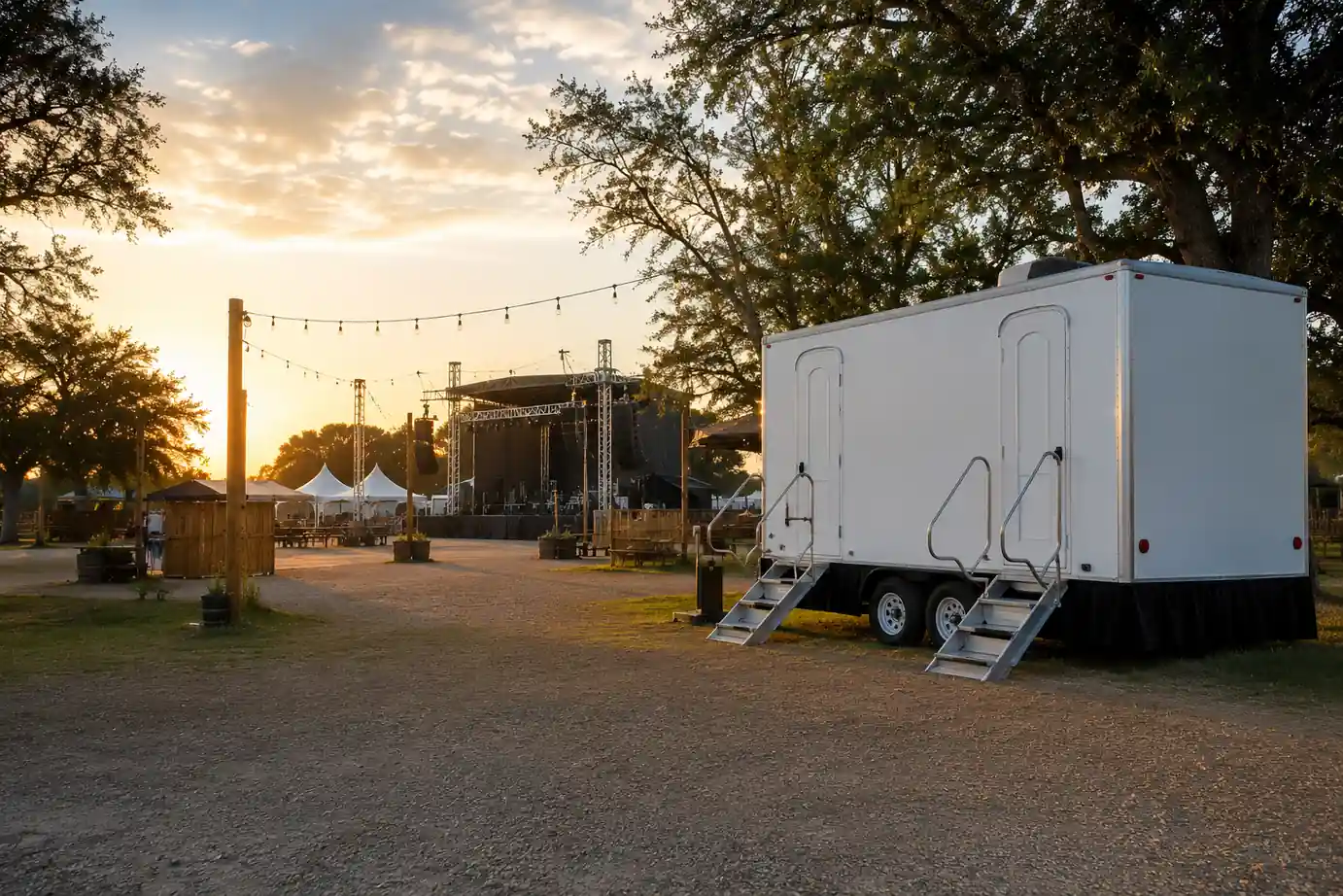
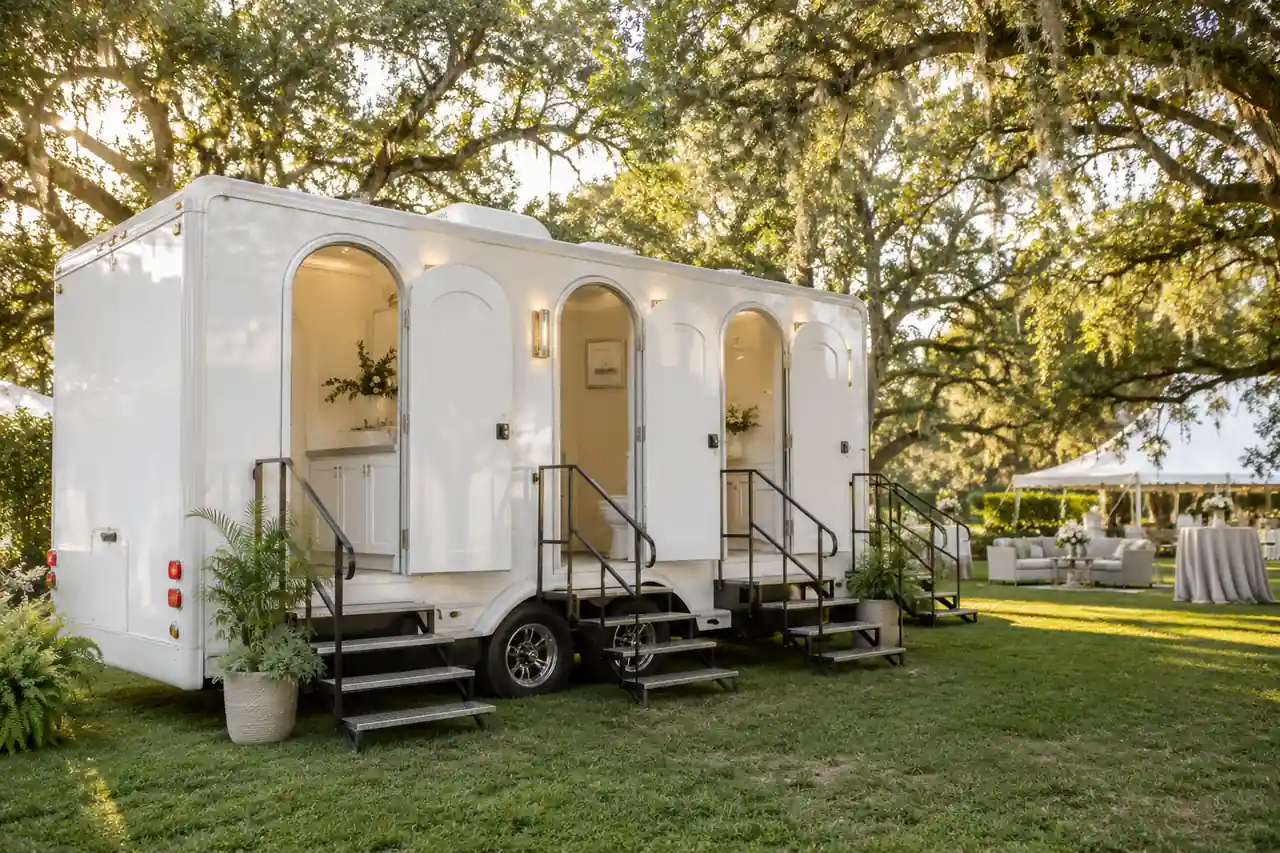
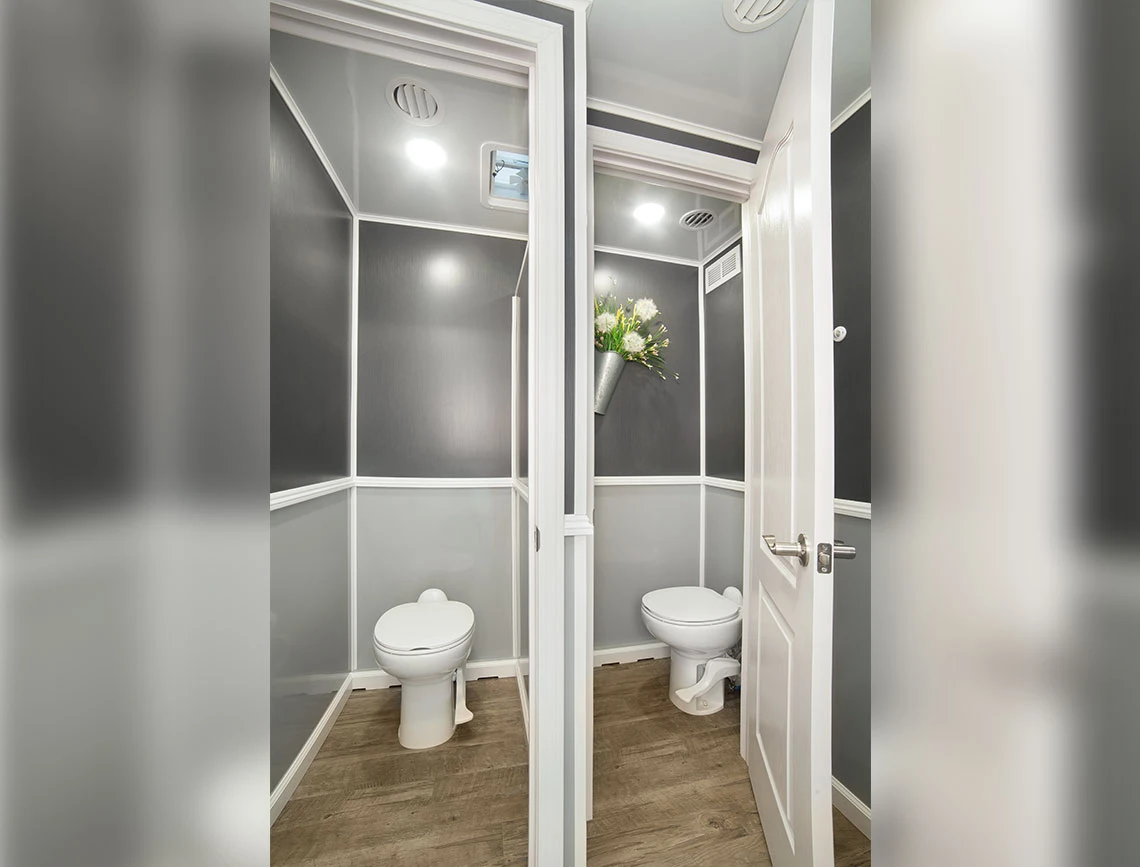
Both standard porta potties and restroom trailers can satisfy OSHA’s toilet-count requirement, the regulation doesn’t distinguish between them for compliance purposes. The choice comes down to project length, crew size, and comfort priorities. Standard units are often the practical choice for shorter jobs or tighter budgets, while a White Commercial Restroom configuration offers durability, higher capacity, and climate control better suited to longer projects or larger crews. For a full breakdown of the differences between the two options, see Pinnacle’s restroom trailer vs porta potty comparison.
Common Compliance Mistakes Contractors Make
- Calculating unit count based on average daily headcount rather than peak headcount during busier project phases
- Letting units go unserviced long enough that they no longer count toward the required minimum
- Assuming the mobile crew exemption applies without confirming workers actually have reliable access to a nearby facility within OSHA’s expected timeframe
- Overlooking handwashing facility requirements while focusing only on toilet count
- Not adjusting unit count or servicing frequency as crew size grows during framing, finishing, or other high-headcount phases
Frequently Asked Questions
Does South Carolina follow federal OSHA rules or its own separate rules?
South Carolina operates its own OSHA-approved state plan, SC OSHA, administered by the state’s Department of Labor, Licensing and Regulation. SC OSHA has adopted federal OSHA’s construction sanitation standard largely unchanged, so the same toilet-count requirements apply, but SC OSHA, not federal OSHA, generally handles enforcement and inspections for private-sector job sites in the state.
Are mobile or traveling crews exempt from providing toilets on-site?
The sanitation standard’s on-site toilet requirement doesn’t apply to mobile crews if they have reliable transportation to a nearby toilet facility, generally understood as prompt access within about 10 minutes. This is a narrow exemption tied to actual access, not a general exception for smaller or short-term crews.
Do subcontractors need their own toilets, or can they share with the general contractor’s units?
OSHA’s requirement is based on the total number of employees at a job site location rather than which company employs them, so subcontractors can generally share adequately sized facilities provided by the general contractor, as long as the combined headcount is accounted for in the unit count.
What happens during an SC OSHA inspection if toilet counts are insufficient?
Insufficient or unsanitary facilities identified during an SC OSHA inspection can result in a citation, and specific penalty amounts are set and periodically adjusted by the agency. Contractors facing a specific compliance question or active inspection should consult SC OSHA directly or a qualified safety professional rather than relying on general guidance.
Conclusion
Construction site portable restroom requirements in South Carolina come down to a straightforward framework, minimum toilet counts by crew size, handwashing access, and sanitary servicing, enforced by SC OSHA rather than federal OSHA directly. Meeting the letter of the regulation is the baseline; planning unit count, placement, and servicing around actual project conditions is what keeps a site compliant as crew size shifts throughout a project. Request a free quote and share your project size, crew count, and timeline, and the Pinnacle team can help plan a setup that fits both your site and your compliance needs.