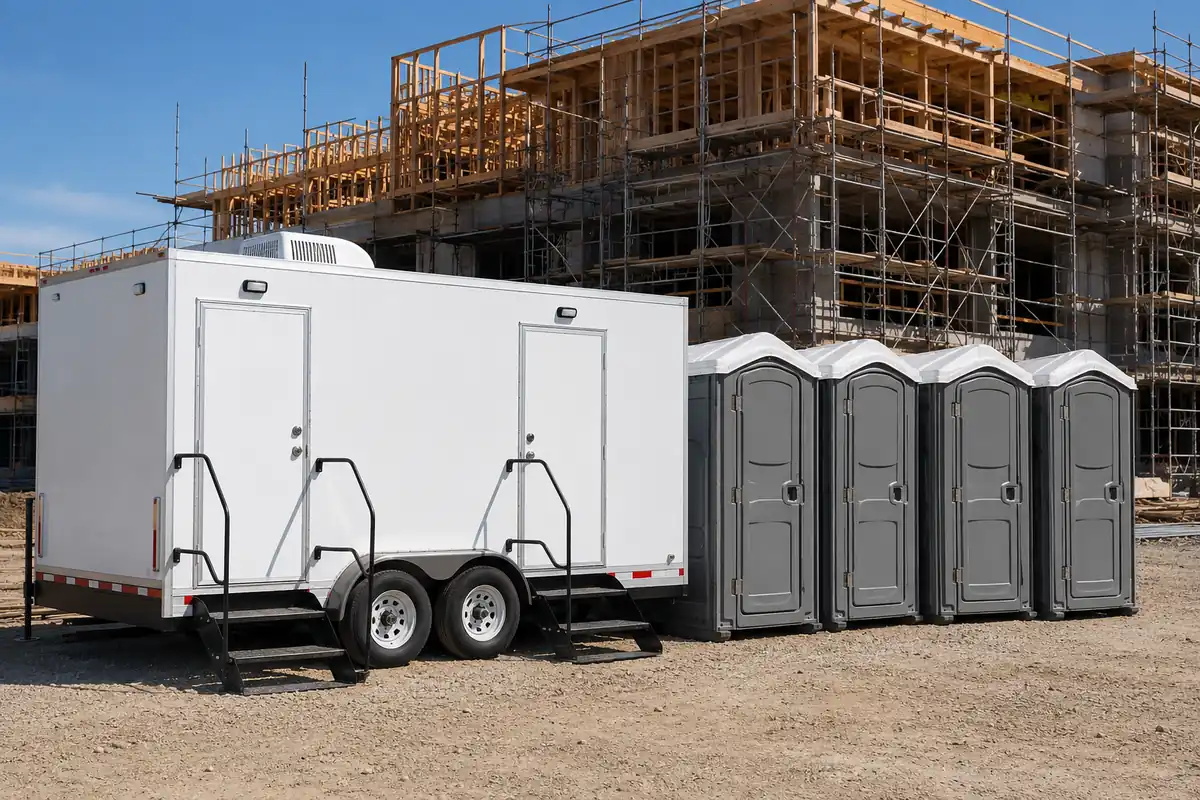
Every general contractor eventually weighs the same practical decision: standard porta potties or a restroom trailer for the crew. Both satisfy the same basic sanitation requirement, but the right choice for a job site depends on factors that don’t come up in a wedding or corporate event comparison, project duration, crew size, site logistics, and how much crew comfort actually matters to retention and morale over a multi-month build.
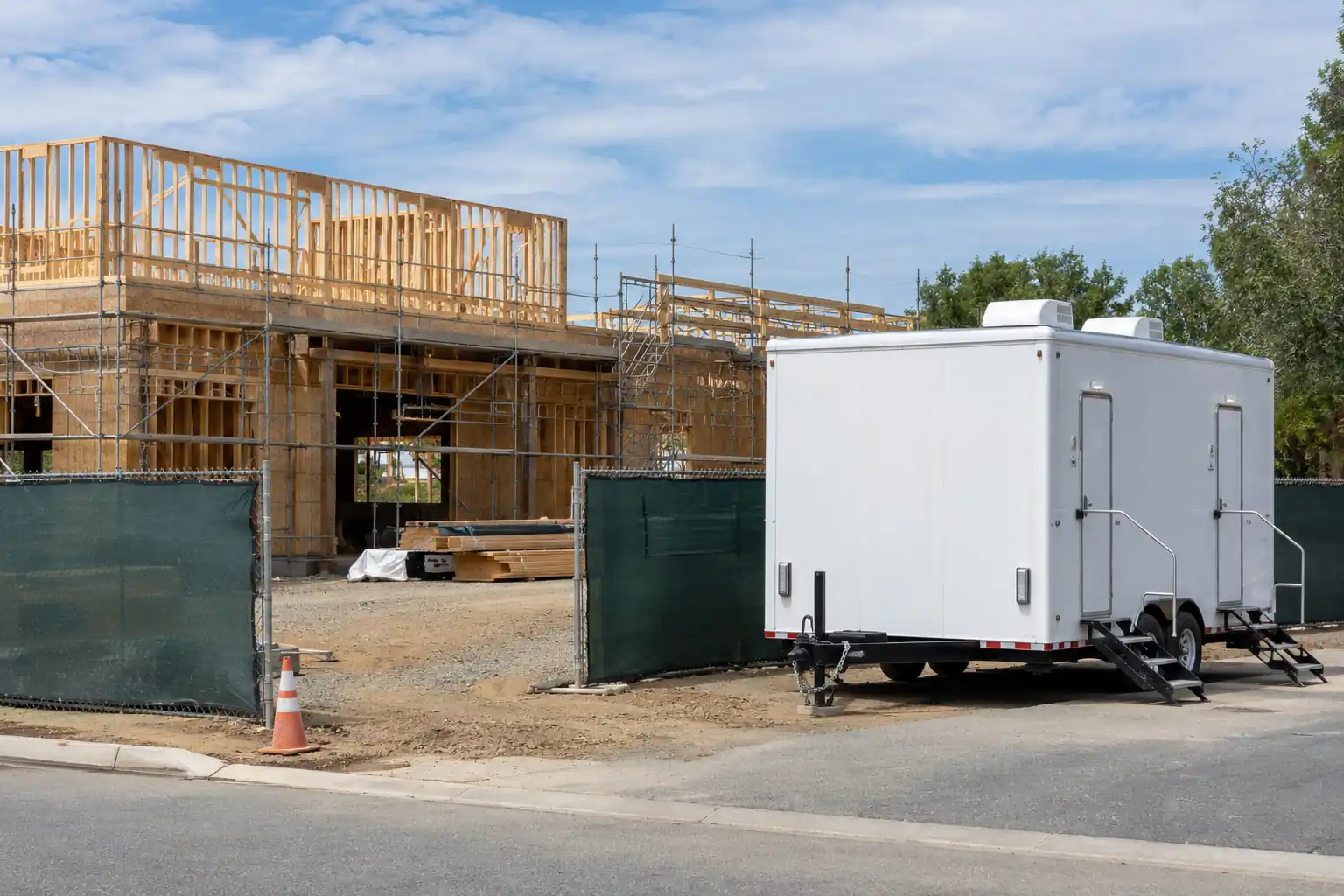
This article focuses specifically on that construction-crew decision, using the same job-site planning approach behind Pinnacle’s construction restroom trailer rentals.
Both Options Meet the Same Baseline Requirement
Whichever option a contractor chooses, both standard porta potties and restroom trailers can satisfy OSHA’s minimum toilet-count requirements for a job site, since the regulation is based on facility count and sanitary condition, not which type of unit is used. For the full breakdown of South Carolina’s specific compliance requirements, including SC OSHA’s role and toilet-count thresholds by crew size, see Pinnacle’s construction site portable restroom requirements SC guide. This article picks up from there, focusing on what actually differs between the two options once compliance is a given.
What Actually Differs for a Construction Crew
Crew Comfort and Morale Over a Long Project
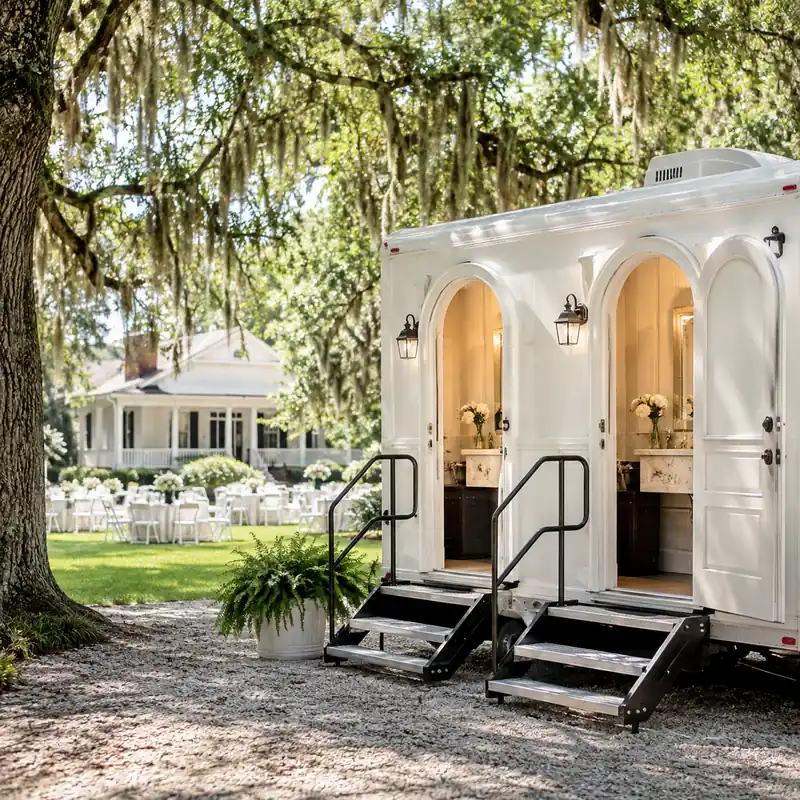
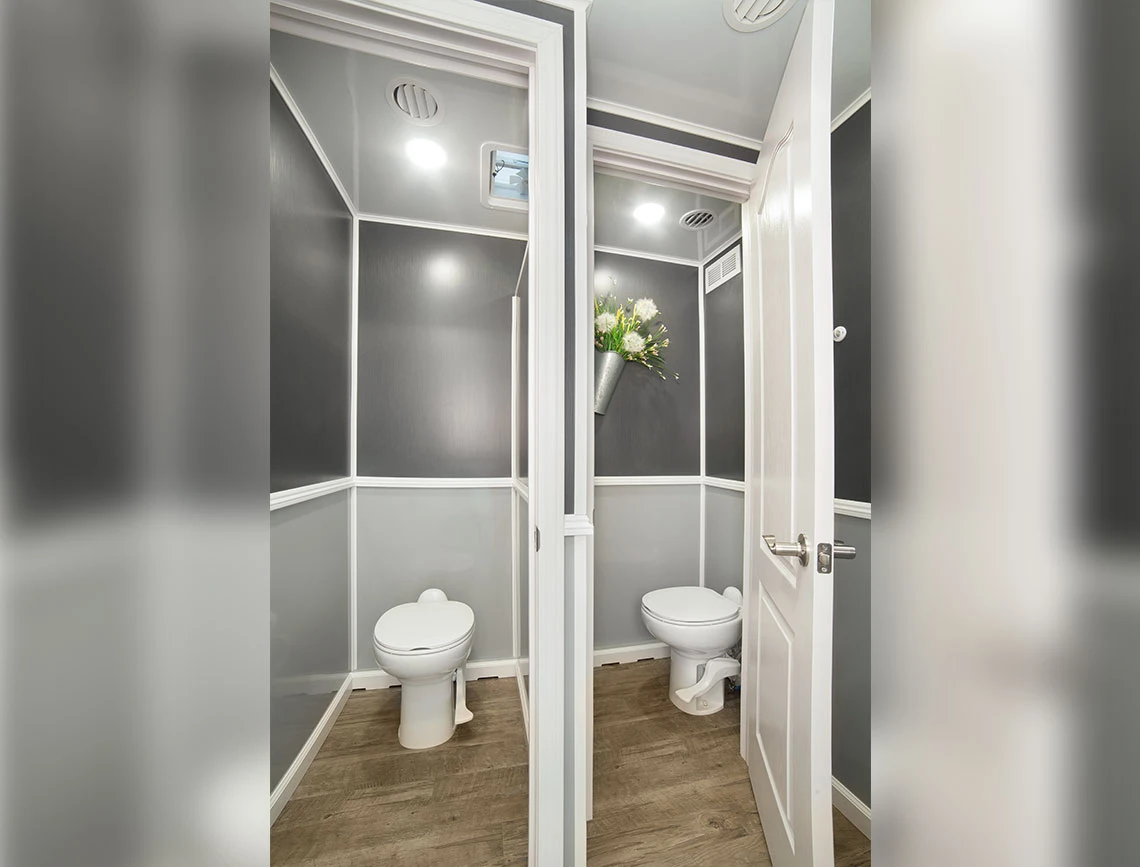
A standard porta potty is built for basic function, and on a short job, that’s rarely an issue. On a project running for months, the daily discomfort of no climate control, no running water, and no real lighting adds up in a way that affects morale, especially in a South Carolina summer or a cold snap. A climate-controlled restroom trailer keeps that experience consistent regardless of season, which matters more the longer a crew spends on-site.
Durability on an Active Job Site
Job sites are rougher environments than event venues, with heavy equipment, material deliveries, and constant foot traffic around the facility. A well-built restroom trailer is generally more durable against this kind of wear than a lightweight standard unit, though either option needs sensible placement away from active work zones and vehicle paths to avoid accidental damage.
Weather Exposure During Extended Projects
Projects that run through a full South Carolina summer or winter expose crews to weather extremes a short-term job never encounters. Climate control becomes more valuable the longer a project runs, not less, since crews are using the facility daily across changing seasons rather than for a single event day. Pinnacle’s restroom trailer hot weather guide covers this in more depth for projects running through peak summer heat.
Project Duration and Phase: When Each Option Fits Best
Project timeline is often the single biggest factor in this decision. Use the table below as a starting point.
| Project Situation | Better Fit |
| Short-term job (days to a few weeks), small crew | Standard porta potty |
| Long-term project (months), larger crew | Restroom trailer |
| Tight budget, minimal crew comfort priority | Standard porta potty |
| Crew retention and comfort are a priority | Restroom trailer |
| Multiple scattered work zones on one site | Multiple porta potties near each zone, or a central trailer if zones are close together |
| Fixed site with one main crew gathering area | Restroom trailer |
Short-Term or Single-Trade Jobs
A quick renovation, a single-trade job lasting days to a few weeks, or a small crew working a limited scope generally doesn’t justify the logistics of a full trailer. A standard porta potty covers the requirement without adding unnecessary cost or delivery complexity for a job that will be finished before comfort differences meaningfully matter.
Long-Term or Multi-Phase Projects
Projects spanning months, multi-phase builds, or sites with a large, consistent crew are where a restroom trailer’s advantages compound. The cost difference amortizes over a much longer rental period, and crew comfort has more time to actually affect morale, retention, and daily productivity across the life of the project.
Site Logistics That Affect the Decision
Multiple Work Zones and Spread-Out Sites
Large sites with crews working in multiple, spread-out zones, a sprawling commercial build or a multi-building development, often favor several standard units positioned near each work zone over a single central trailer that requires longer walks. If work zones sit close enough together, a single centrally located trailer can still work, but the physical layout of the site should drive this decision more than a general preference for one option.
Servicing Access on an Active Site
Both options need reliable access for servicing vehicles throughout the project, and an active job site’s evolving layout, material staging, equipment position, fencing changes, can complicate that access as a project progresses. Placement should account for how the site will look during the busiest phases, not just how it looks on day one, and should be revisited if major site changes occur mid-project.
Cost Considerations Specific to Job Sites
Job site rentals are typically priced differently than single-day event rentals, with daily, weekly, and long-term rates available depending on project length. A restroom trailer generally costs more than a standard unit, but that gap matters less on a multi-month project than it would on a short job, since the added comfort and durability apply across a much longer rental period. Providers serving service areas across South Carolina can typically walk through project-specific pricing based on crew size, timeline, and site conditions.
Making the Decision for Your Project
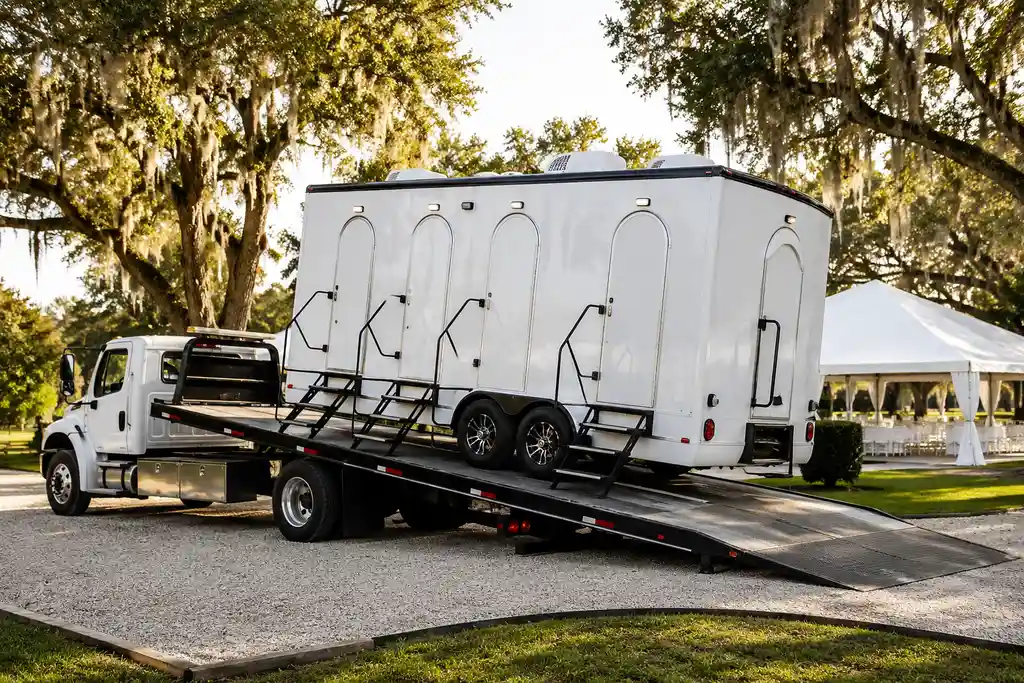
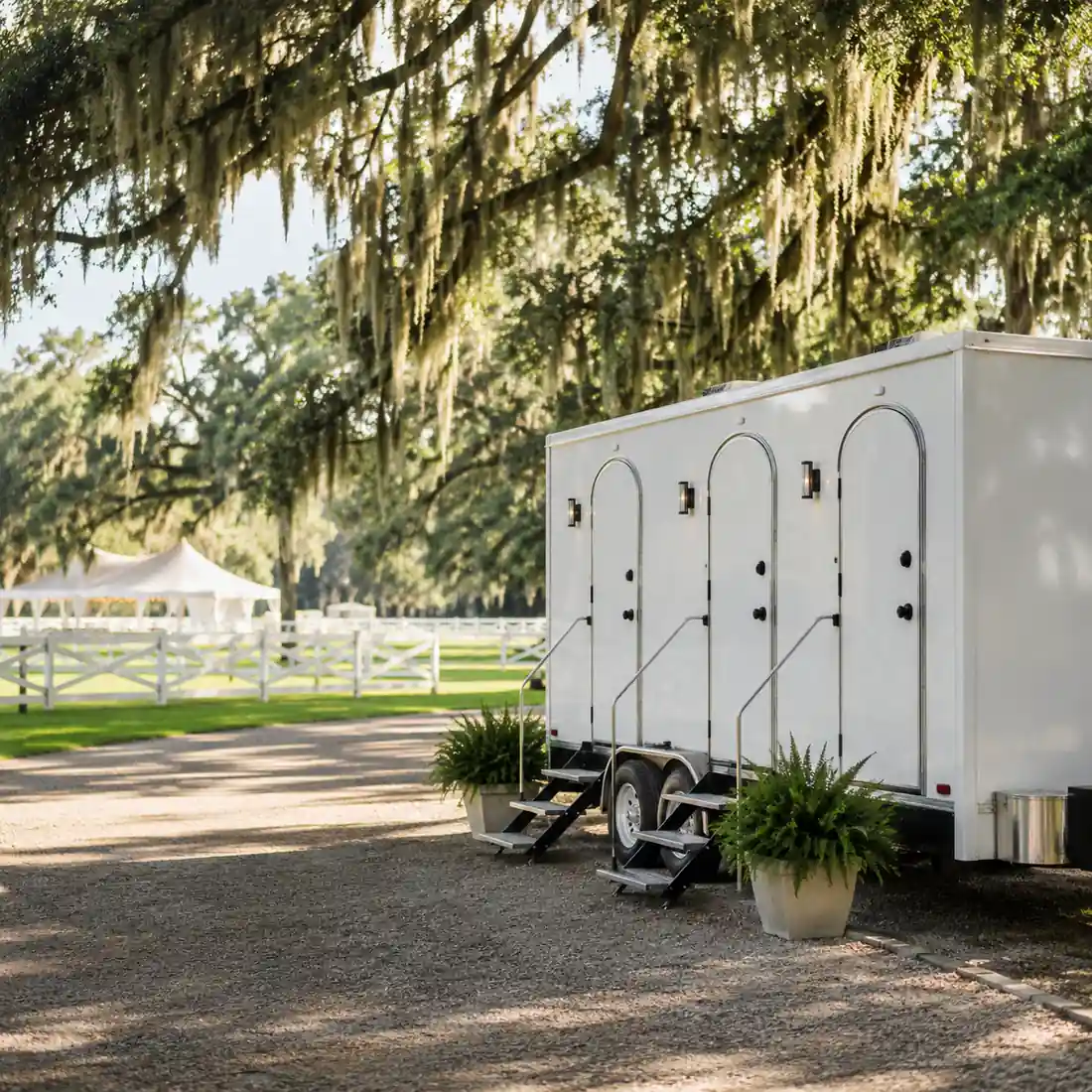
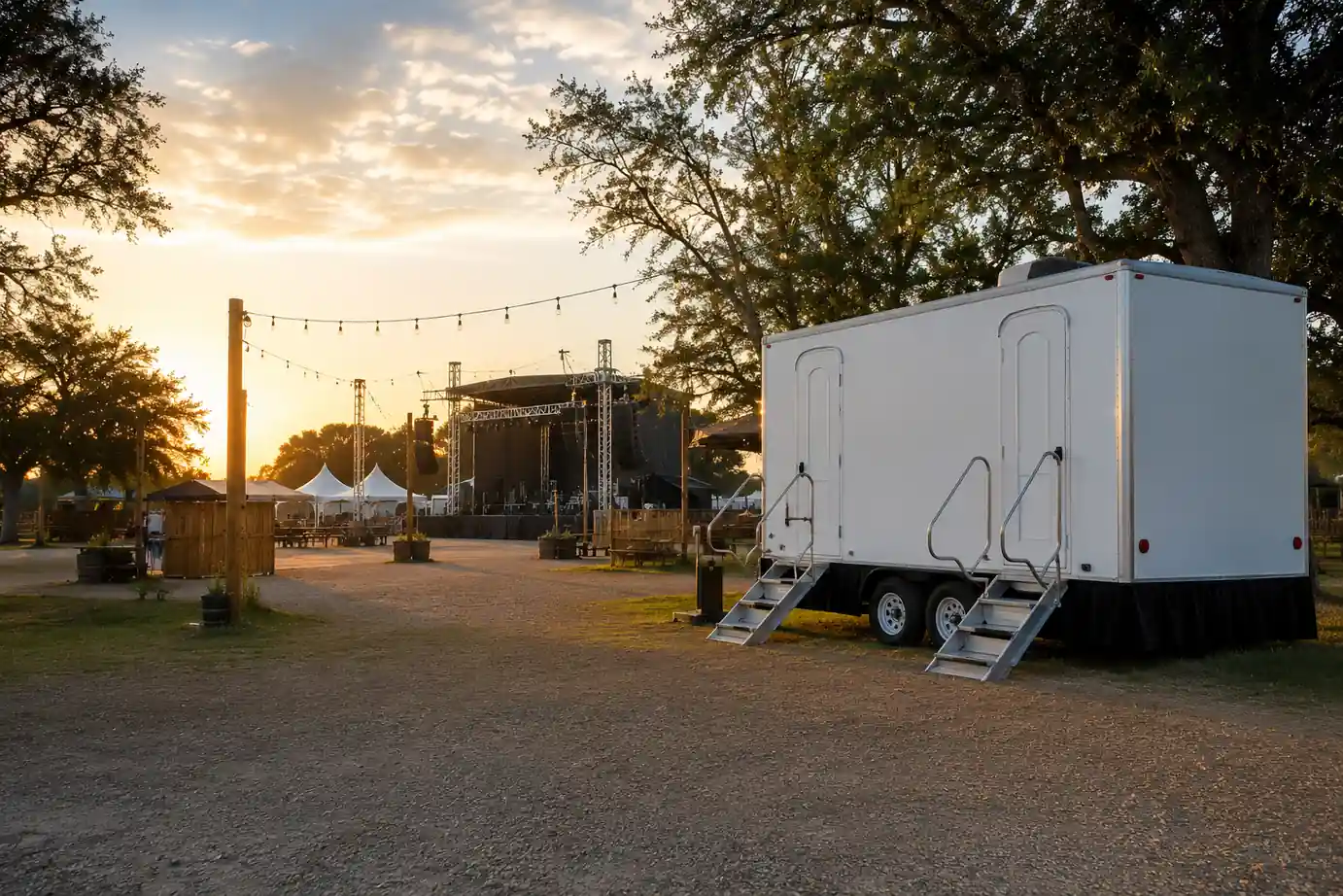
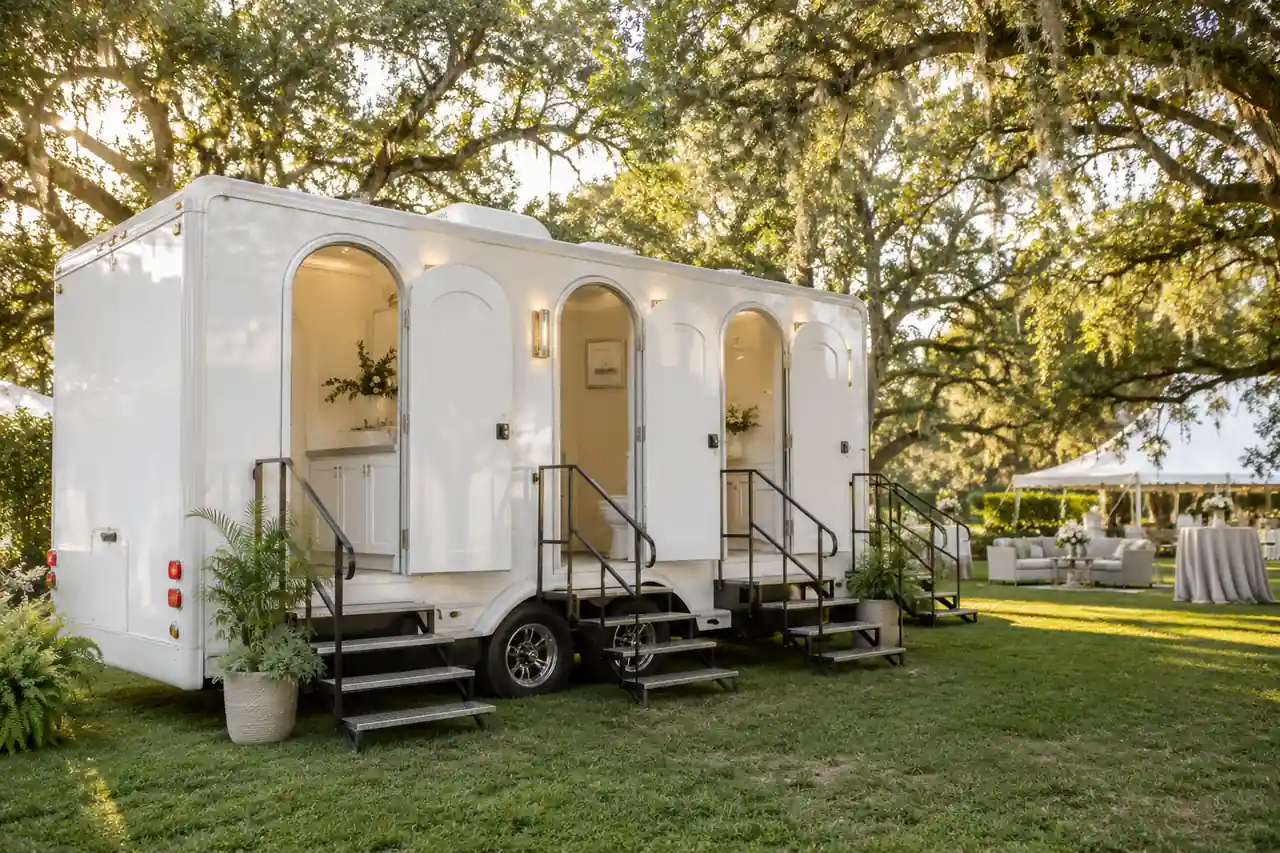
Weigh project duration, crew size, site layout, and how much crew comfort factors into your planning, then match that against the situations in the table above. For longer projects where a trailer makes sense, the White Commercial Restroom configuration is built specifically for durability and capacity on commercial and construction sites, with the same climate control and running water regardless of project length.
Common Mistakes Contractors Make When Choosing
- Choosing based on upfront cost alone without factoring in how long the project will actually run
- Placing a single trailer too far from a spread-out site’s active work zones, discouraging use
- Not revisiting placement as a site’s layout changes during later project phases
- Underestimating how much crew comfort affects morale on a multi-month build
- Overlooking weather exposure for projects that will run through a full summer or winter
Frequently Asked Questions
Do restroom trailers slow down a construction schedule?
No more than a standard unit would. Delivery and setup are handled by the provider, and once in place, a restroom trailer operates independently of the construction schedule, requiring only periodic servicing access like any other facility on-site.
Can a restroom trailer be moved between phases of a project?
Relocating a trailer mid-project is possible but involves more logistics than moving a standard unit, since it requires the same delivery vehicle access needed for initial placement. If a project’s layout is expected to shift significantly, discuss this with the provider during initial planning rather than assuming it can be repositioned casually.
Are restroom trailers more vulnerable to job site damage than porta potties?
Restroom trailers are generally built with durability in mind, comparable to or exceeding a standard unit’s resilience to job site conditions. Sensible placement away from active equipment paths and material staging reduces risk for either option.
Does crew size change which option makes more sense?
Yes. Larger crews increase the total number of facilities required regardless of type, and at higher crew counts, the per-worker comfort and durability advantages of a trailer become more relevant than they would for a very small crew where a standard unit is easily sufficient.
Conclusion
For construction crews, the restroom trailer versus porta potty decision comes down less to which option is objectively better and more to which fits the specific project: its duration, crew size, site layout, and how much comfort factors into the plan. Short jobs and tight budgets often favor a standard unit; longer projects and larger crews often justify a trailer’s added comfort and durability. Request a free quote and share your project timeline, crew size, and site details, and the Pinnacle team can help determine the right fit.